 EN
EN  DE
DE 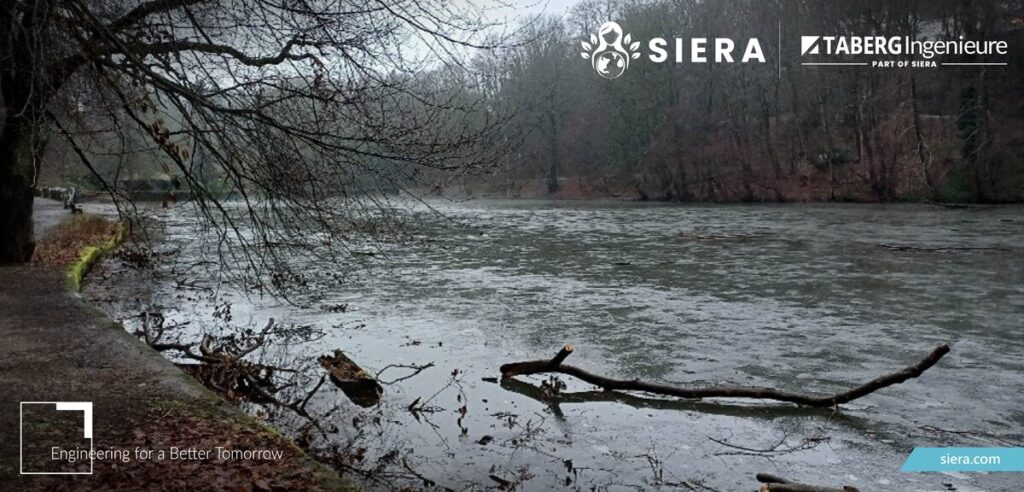
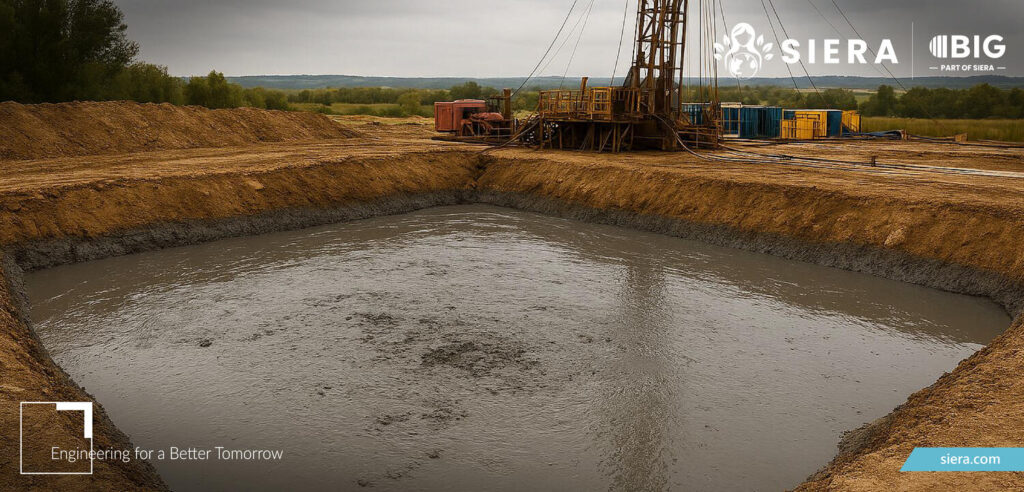
Water bodies such as ponds and small standing waters are subject to continuous natural and anthropogenic influences. Over time, sediments consisting of organic material such as leaves, introduced nutrients, and mineral components accumulate on the bottom of the water body. This can gradually lead to a reduction in water volume and, consequently, to the silting up of the water body, impairing its ecological functionality as well as the existing habitats.
To counteract these processes and preserve the water body with its natural functions, measures for water maintenance and remediation can be implemented. One key method is desilting, in which the deposited sediments are mechanically removed and subsequently treated appropriately.
A project in Witten demonstrates how close coordination between planning and execution can support a technically sound and efficient implementation. In this case, planning was carried out by M&P Ingenieurgesellschaft mbH Hannover – part of SIERA, while on-site support was provided by TABERG Ingenieure GmbH – part of SIERA.
Why Desilting Matters
Ponds and small still waters are continuously affected by natural and anthropogenic influences. As sediments accumulate on the bottom of the water body, several developments can occur.
These include:
- accumulation of organic material such as leaves
- introduced nutrients
- mineral components
- reduction in water volume
- silting up of the water body
- impairment of ecological functionality
- impact on the existing habitat
Because of these developments, measures for maintenance and remediation are important for preserving water bodies and their natural functions.
Desilting as a Key Measure
Among the available maintenance and remediation measures, desilting represents a key method.
Desilting includes:
- mechanical removal of deposited sediments
- appropriate treatment of the removed sediments
This approach helps counteract silting processes, and the condition of the water body can be supported in the long term.
Importance of Coordination
For the successful implementation of desilting measures, close and continuous coordination between planning and execution is of central importance.
This coordination helps ensure:
- technically sound implementation
- efficient execution
- alignment with water protection requirements
- alignment with soil protection requirements
Particularly at the interface between planning and practical execution, the importance of collaborative partnerships becomes clear.
Project Overview: Witten
This coordination was successfully realized as part of a desilting project in Witten with a volume of approximately 5,000 tons.
| Project aspect | Description |
| Location | Witten |
| Measure | Desilting project |
| Volume | Approximately 5,000 tons |
| Planning | Feasibility study and planning |
| On-site support | Expert supervision and construction management |
| On-site period | January to April 2026 |
Contribution to the Project
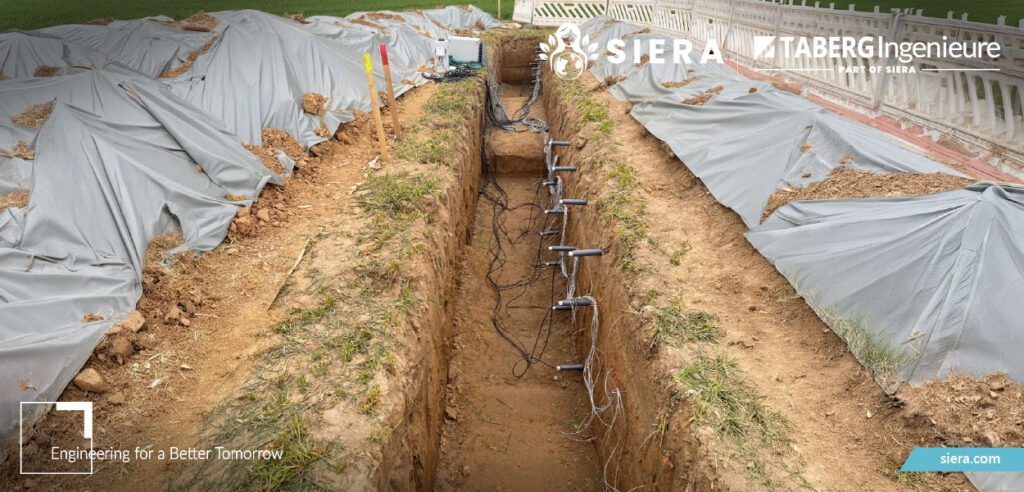
In advance of the project, a feasibility study was prepared and the measure was planned. Building on this, on-site support from January to April 2026 included expert supervision and construction management support.
Continuous presence on the construction site and close coordination with all project stakeholders helped ensure a technically sound and efficient implementation. Requirements relating to water and soil protection were also taken into account throughout the measure.
Contribution of the Measure
A significant contribution was made by the desilting of the water body in several areas.
The measure supported:
- improvement of water quality
- stabilization of ecological processes
- long-term preservation of water bodies
- preservation of water bodies as habitats
- preservation of water bodies as recreational areas
These outcomes underline the importance of coordinated planning and execution in such measures.
Outlook
In the coming weeks, a contribution on sand separation will be published as sand separation represents a key component of designing measures.
A clear example from Witten shows that successful desilting measures depend on the interaction between planning and execution. Through the preparation work in advance and the support during implementation, a technically sound and efficient process was ensured.
As a result, the measure contributed to improving water quality, stabilizing ecological processes, and ensuring the long-term preservation of water bodies as habitats and recreational areas.
👉 Learn more about TABERG Ingenieure GmbH and its role within SIERA.