 EN
EN  DE
DE 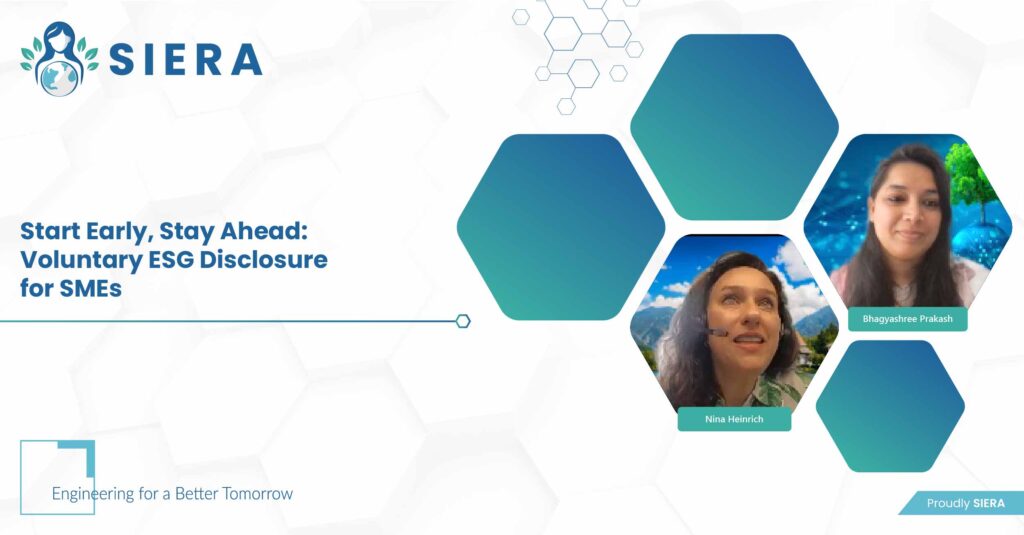
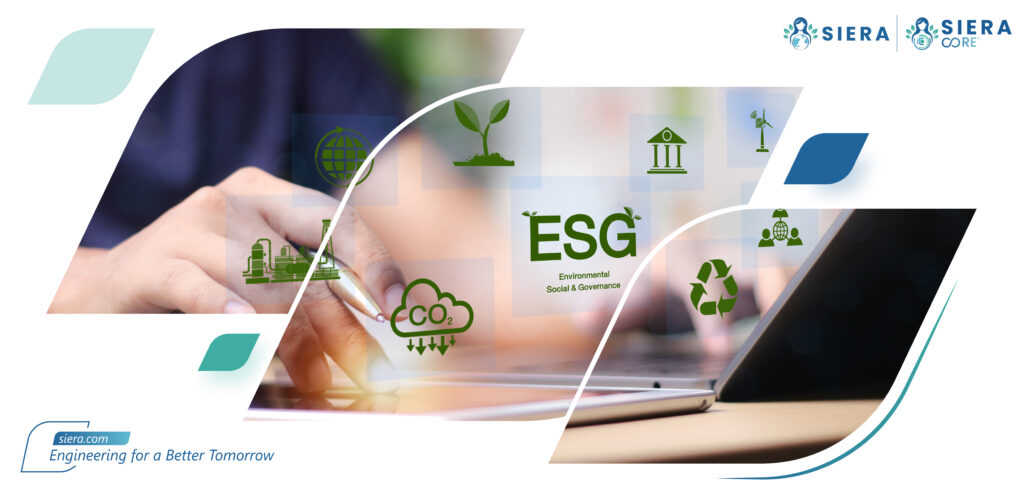
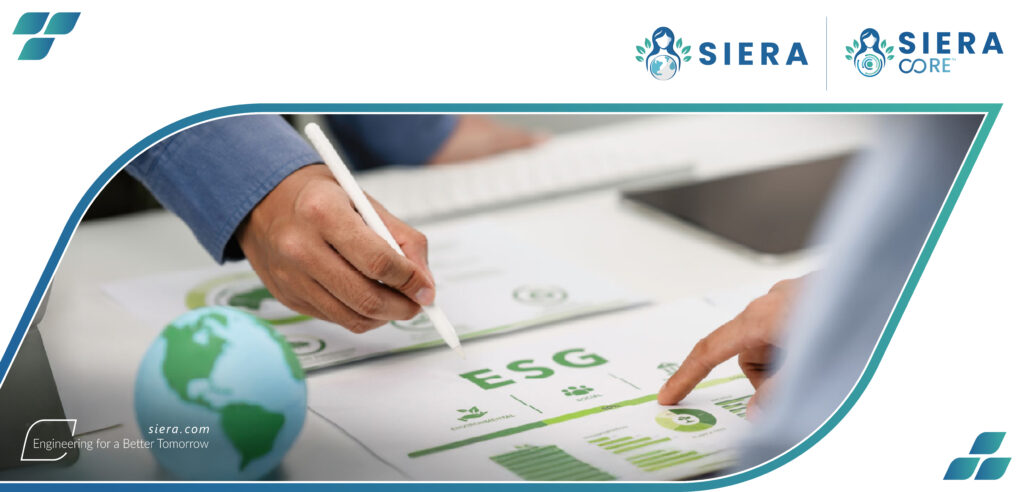
Environmental, social, and governance disclosure is no longer just a large-enterprise issue. Increasingly, small and medium-sized enterprises are being asked to provide ESG-related information by customers, investors, supply chain partners, and regulators. For many SMEs, the question is no longer whether ESG disclosure matters, but when to begin.
At SIERA, we see a growing shift in the market: organizations that start early with voluntary ESG disclosure are better positioned to respond to new expectations, reduce reporting friction, and build long-term business resilience. Rather than waiting until disclosure becomes mandatory or commercially unavoidable, SMEs have an opportunity to take a proactive approach now.
Starting early does not mean creating a complex reporting burden. It means building a practical, right-sized foundation that supports future growth, improves transparency, and helps businesses stay ahead.
Why voluntary ESG disclosure matters for SMEs
For SMEs, voluntary ESG disclosure can create value well beyond compliance. It can help organizations respond to increasing customer demands, strengthen supply chain relationships, improve access to capital, and build trust with stakeholders.
Large companies are under growing pressure to understand and disclose impacts across their value chains. As a result, they are often seeking more ESG-related data from suppliers and partners, including SMEs. Businesses that can provide clear, credible information are more likely to stand out as reliable and future-ready partners.
Voluntary ESG disclosure also helps SMEs better understand their own operations. By identifying key environmental and social impacts, businesses can uncover inefficiencies, manage risks more effectively, and make more informed decisions. At SIERA, we often emphasize that ESG reporting is not only about external communication. It is also a valuable internal management tool.
The advantage of starting early
Starting early gives SMEs time to build ESG disclosure processes in a manageable and strategic way. Instead of reacting under pressure, businesses can begin by focusing on the issues most relevant to their operations, stakeholders, and sector.
An early start can help SMEs:
- Establish strong data collection practices
- Improve internal governance and accountability
- Identify material ESG topics
- Prepare for customer and investor information requests
- Align with emerging market and regulatory expectations
- Reduce future reporting complexity
This gradual approach is especially important for smaller businesses with limited resources. A phased strategy makes ESG disclosure more achievable and more useful.
At SIERA, we encourage SMEs to treat voluntary ESG disclosure as a business readiness exercise. The earlier an organization begins, the easier it becomes to refine processes, improve data quality, and communicate progress with confidence.
ESG disclosure is becoming a market expectation
Even where formal reporting requirements do not directly apply to SMEs, market pressure is accelerating. Buyers, lenders, partners, and other stakeholders are increasingly looking for transparency around topics such as emissions, labor practices, governance, and business ethics.
This shift means that voluntary ESG disclosure is quickly becoming a competitive differentiator. Companies that can demonstrate awareness of their ESG impacts and a willingness to report on them are often better equipped to maintain commercial relationships and unlock new opportunities.
SIERA helps organizations understand that the ESG landscape is evolving beyond narrow compliance. Businesses are being evaluated not only on financial performance, but also on how they manage environmental and social risks, support responsible practices, and prepare for change.
Common barriers SMEs face
Many SMEs hesitate to begin ESG disclosure because they assume it requires significant time, technical expertise, or large volumes of data. Others are unsure which framework to use, what metrics matter most, or how detailed disclosure should be.
These concerns are understandable, but they should not delay action.
A practical ESG disclosure journey does not begin with perfection. It begins with clarity. SMEs can start by identifying the most relevant topics, reviewing available data, and documenting policies, actions, and priorities. Over time, this foundation can be strengthened and expanded.
SIERA supports businesses in taking a pragmatic approach to ESG disclosure by focusing on what is decision-useful, proportionate, and aligned with stakeholder needs.
What a practical starting point looks like
For SMEs, an effective voluntary ESG disclosure strategy often starts with a few essential steps:
- Identify the most relevant ESG topics
Focus on the environmental, social, and governance issues that matter most to your business model, operations, customers, and stakeholders.
- Review existing data and processes
Many businesses already have useful information available across operations, HR, finance, procurement, and compliance functions. The first step is often organizing what already exists.
- Set realistic boundaries and goals
Not every metric needs to be reported at once. A focused and phased disclosure approach is often more effective than trying to do everything immediately.
- Build internal ownership
Assigning responsibility for ESG-related data and decisions helps improve consistency and accountability.
- Communicate progress clearly
Voluntary disclosure should reflect both current performance and the direction of travel. Stakeholders value transparency, especially when it is honest and structured.
At SIERA, we help organizations simplify these steps and turn ESG disclosure into a manageable, business-relevant process.
Voluntary disclosure can strengthen long-term resilience
Starting early with ESG disclosure does more than support reporting readiness. It can also strengthen long-term business resilience.
Organizations that track and understand ESG issues are often better able to:
- Respond to operational and supply chain risks
- Improve efficiency and resource use
- Strengthen stakeholder trust
- Support strategic planning
- Adapt to changing policy and market conditions
For SMEs, this is especially important. In a fast-changing business environment, resilience depends on visibility, responsiveness, and good decision-making. Voluntary ESG disclosure can support all three.
SIERA works with businesses to connect ESG disclosure with broader strategic goals, helping teams move beyond reactive reporting toward more informed and resilient operations.
Why SIERA believes SMEs should act now
Waiting until ESG disclosure becomes urgent often creates unnecessary pressure. By contrast, starting early allows SMEs to learn, adapt, and build confidence over time.
The organizations that begin now are more likely to be prepared when customers request ESG data, when reporting expectations become more formalized, or when stakeholders seek stronger evidence of responsible business practices.
SIERA believes SMEs do not need to wait for regulation to begin creating value through ESG disclosure. A voluntary approach today can lead to stronger readiness, better relationships, and a more future-fit business tomorrow.
Start early, stay ahead with SIERA
Voluntary ESG disclosure gives SMEs a practical way to prepare for changing expectations while strengthening transparency and resilience. The key is to begin early, focus on what matters most, and build from there.
At SIERA, we help organizations take a strategic and realistic approach to ESG reporting, disclosure readiness, and sustainability performance. Whether your business is just getting started or looking to improve existing processes, SIERA can support your next step.
Want to strengthen your ESG disclosure approach before stakeholder expectations intensify?
- Join SIERA’s upcoming webinars and events to stay informed on ESG reporting, sustainability strategy, regulatory developments, and best practices.
- Explore SIERA’s services to see how we help organizations streamline ESG data, improve disclosure readiness, and build credible sustainability reporting processes.
Connect with SIERA to learn how your organization can start early, stay ahead, and turn ESG disclosure into a business advantage.
Engineering for a Better Tomorrow.