 DE
DE  EN
EN 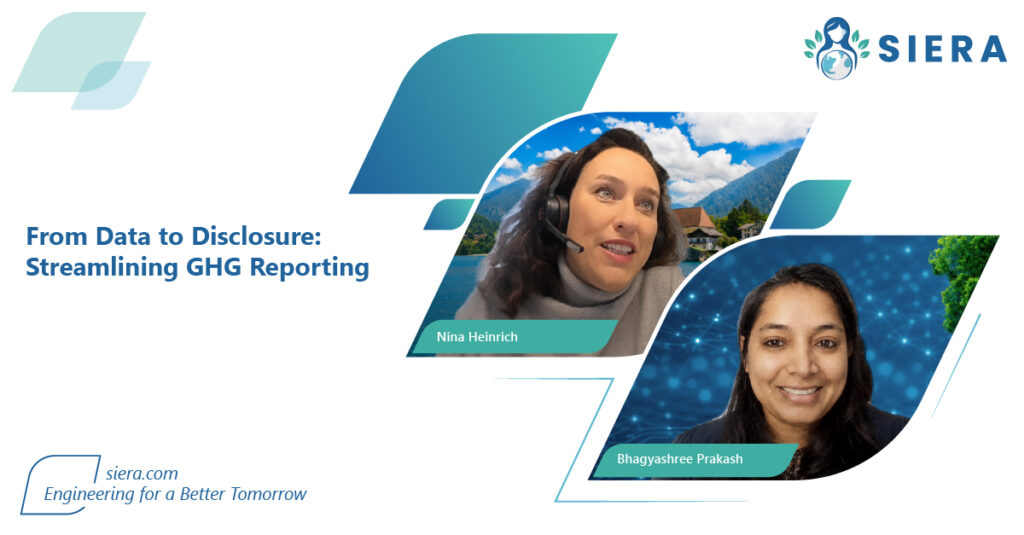
Die Berichterstattung über Treibhausgasemissionen wird immer detaillierter, sichtbarer und geschäftskritischer. Da die regulatorischen Anforderungen steigen und Nachhaltigkeitsangaben immer genauer unter die Lupe genommen werden, brauchen Unternehmen Berichtsprozesse, die präzise, nachvollziehbar und effizient sind.
In SIERAs das letzte Webinar, Von den Daten zur Offenlegung: Rationalisierung der Treibhausgasberichterstattung, haben wir uns mit den operativen und Compliance-Herausforderungen befasst, die eine manuelle Verwaltung der Treibhausgasberichterstattung erschweren, sowie mit den digitalen Ansätzen, die Unternehmen dabei helfen können, den Übergang von fragmentierten Daten zu einer zuverlässigen Offenlegung zu schaffen.
In dieser Sitzung ging es darum, wie Unternehmen ihre Arbeitsabläufe bei der Treibhausgasberichterstattung vereinfachen, die Datenqualität verbessern, die Transparenz erhöhen und mit den richtigen Systemen und Strukturen einen besser für Prüfungen geeigneten Berichtsprozess aufbauen können.
Warum die Optimierung der Treibhausgasberichterstattung wichtig ist
Für viele Unternehmen ist die Berichterstattung über Treibhausgasemissionen längst keine eigenständige Nachhaltigkeitsaufgabe mehr. Sie ist mittlerweile eng mit Unternehmensführung, Risikomanagement, Compliance und strategischer Entscheidungsfindung verknüpft.
Da sich die Berichtspflichten in verschiedenen Rahmenwerken und Vorschriften ständig weiterentwickeln, stehen Unternehmen unter zunehmendem Druck, Folgendes zu tun:
- Die Qualität und Konsistenz der Emissionsdaten verbessern
- Den manuellen Aufwand bei den Berichtsprozessen reduzieren
- Die Rückverfolgbarkeit und Dokumentation verbessern
- Mach dich auf strengere Sicherheitsanforderungen und Kontrollen gefasst
- Unterstützung einer zeitnahen und zuverlässigen Offenlegung der Emissionen der Kategorien 1, 2 und 3
Genau hier SIERA schafft Mehrwert. Durch digitale Nachhaltigkeitslösungen, die darauf ausgelegt sind, eine bessere ESG- und Umweltberichterstattung zu unterstützen, SIERA hilft Unternehmen dabei, besser vernetzte, effizientere und zuverlässigere Berichtsprozesse zu schaffen.
Was im Webinar behandelt wurde
Im Webinar wurden die häufigsten Hindernisse für eine effektive Treibhausgasbilanzierung beleuchtet und praktische Lösungen zu deren Beseitigung vorgestellt.
Zu den wichtigsten Themen gehörten:
- Die betrieblichen Auswirkungen lückenhafter Treibhausgasdaten
- Der Aufwand durch manuelle Berichtsabläufe
- Uneinheitliche Datenqualität und Methodiken
- Eingeschränkte Transparenz und Prüfungsbereitschaft
- Die Rolle zentralisierter Plattformen, Automatisierung und Rückverfolgbarkeit bei der Verbesserung der Berichtsergebnisse
Während der gesamten Veranstaltung blieb der Schwerpunkt klar: Unternehmen brauchen einen intelligenteren Weg von den Rohdaten zu den Emissionen hin zu entscheidungsrelevanten und für die Offenlegung geeigneten Ergebnissen. SIERA hat hervorgehoben, wie ein stärker integrierter Ansatz sowohl die Effizienz der internen Berichterstattung als auch die externen Compliance-Anforderungen unterstützen kann.
Die wichtigsten Herausforderungen im Überblick
-
Zersplitterte Treibhausgasdaten führen zu operativer Komplexität
Viele Unternehmen verwalten ihre Emissionsdaten immer noch über mehrere Teams, Lieferanten, Tabellenkalkulationen und voneinander getrennte Systeme hinweg. Dieser fragmentierte Ansatz erschwert es, Informationen zusammenzuführen, Lücken zu erkennen und das Vertrauen in die gemeldeten Zahlen aufrechtzuerhalten.
Ohne eine zentralisierte Struktur sehen sich Unternehmen oft mit folgenden Problemen konfrontiert:
- Verzögerungen bei der Datenerhebung und -validierung
- Begrenzte Übersicht über die Emissionsquellen
- Schwierigkeiten bei der Koordination zwischen den Abteilungen und den Akteuren entlang der Wertschöpfungskette
- Erhöhtes Risiko von Unstimmigkeiten bei der Erstellung der Offenlegung
SIERA betonte, wie wichtig es ist, ein einheitlicheres Berichtsumfeld zu schaffen, damit Unternehmen den Übergang von verstreuten Daten zu strukturierten, verwertbaren Emissionsdaten schaffen können.
-
Manuelle Arbeitsabläufe verlangsamen die Berichterstellung
Der hohe manuelle Aufwand bleibt eines der größten Hindernisse bei der Berichterstattung über Treibhausgasemissionen. Von der Erfassung der Aktivitätsdaten über die Berechnung der Emissionen bis hin zur Erstellung der Offenlegungen – manuelle Prozesse sind zeitaufwändig und erhöhen die Wahrscheinlichkeit menschlicher Fehler.
Diese Engpässe bei der Berichterstattung führen oft dazu, dass:
- Längere Berichtszyklen
- Mehr interne Überprüfung und Überarbeitung
- Erhöhter Verwaltungsaufwand für Nachhaltigkeits- und Compliance-Teams
- Geringeres Vertrauen in das Ergebnis der abschließenden Offenlegung
Eine wichtige Erkenntnis aus dem Webinar war, dass Automatisierung für Unternehmen, die wachsen und ihre Berichtsreife verbessern wollen, nicht mehr nur eine Option ist. SIERA unterstützt diesen Wandel, indem es Unternehmen dabei hilft, Arbeitsabläufe zu optimieren und Reibungsverluste bei der Berichterstattung zu verringern.
-
Uneinheitliche Datenqualität und Methoden schwächen die Zuverlässigkeit
Ein weiteres wichtiges Thema, das diskutiert wurde, waren Unstimmigkeiten bei den Dateneingaben und Berechnungsmethoden. Unterschiedliche Formate, Einheiten, Annahmen und Emissionsfaktoren zwischen den Teams und Lieferanten können die Vergleichbarkeit beeinträchtigen und die Glaubwürdigkeit der gemeldeten Emissionsdaten untergraben.
Zu den Herausforderungen in diesem Bereich gehören:
- Nicht standardmäßige Dateneingaben
- Unterschiede in den Methoden
- Geringe Zuverlässigkeit bei der Berichterstattung zu Scope 1, 2 und 3
- Größere Schwierigkeiten, die interne Konsistenz über einen längeren Zeitraum hinweg aufrechtzuerhalten
Im Webinar wurde deutlich, wie eine stärkere Standardisierung sowohl die Genauigkeit der Berichterstattung als auch das interne Vertrauen in die Daten verbessern kann. Mit digitalen Arbeitsabläufen und strukturierten Umfragen, SIERA hilft Unternehmen dabei, eine einheitlichere Grundlage für die Berichterstattung zu schaffen.
-
Eingeschränkte Transparenz erhöht das Prüfungs- und Compliance-Risiko
Rückverfolgbarkeit wird in der modernen Treibhausgasberichterstattung immer wichtiger. Wenn Unternehmen nicht klar nachweisen können, woher die Daten stammen, wie die Berechnungen durchgeführt wurden oder welche Belege die Angaben stützen, wird die Prüfungsbereitschaft zu einer Herausforderung.
Im Webinar wurden verschiedene Risiken im Zusammenhang mit mangelnder Transparenz beleuchtet, darunter:
- Eingeschränkte Datenherkunft
- Ausführliche Antworten auf Anfragen von Wirtschaftsprüfern und Aufsichtsbehörden
- Uneinheitliche Dokumentation
- Erhöhtes Risiko der Nichteinhaltung
Dies ist der Ort, an dem SIERAs Ein Ansatz für durchgängige Transparenz in der Berichterstattung gewinnt dabei besonders an Bedeutung. Bessere Kontrollmechanismen, klarere Nachweisketten und solide Dokumentationsprozesse können Unternehmen dabei helfen, zu fundierteren und prüfungsfähigen Angaben zu gelangen.
Im Webinar vorgestellte Lösungen
Um diese Herausforderungen anzugehen, wurden im Webinar eine Reihe praktischer digitaler Lösungen vorgestellt, die die Leistung bei der Treibhausgasberichterstattung deutlich verbessern können.
Zentralisierte Plattformen und Dashboards für Treibhausgasdaten
Eine zentralisierte Plattform hilft Unternehmen dabei, Emissionsdaten aus allen Betriebsbereichen, Geschäftsbereichen und von Zulieferern zusammenzuführen. Das sorgt für einen besseren Überblick, klarere Verantwortlichkeiten und eine verbesserte Entscheidungsfindung.
Zu den Vorteilen gehören:
- Eine einzige zuverlässige Quelle für Treibhausgasdaten
- Besserer Einblick in Emissions-Hotspots und -Trends
- Einfachere Abstimmung zwischen den Beteiligten
- Effizientere Erstellung von Berichten
SIERA unterstützt diesen zentralisierten Ansatz, indem es Unternehmen dabei hilft, Nachhaltigkeitsdaten so zu strukturieren, dass sie sich leichter verwalten, überprüfen und in Berichten darstellen lassen.
Automatisierte Berechnung und Berichterstattung von Treibhausgasemissionen
Automatisierung kann den manuellen Arbeitsaufwand reduzieren und gleichzeitig die Geschwindigkeit und Konsistenz verbessern. Dazu gehören Emissionsberechnungen, das Workflow-Management und die Erstellung von Offenlegungen gemäß den Berichtspflichten.
Das Webinar hat gezeigt, wie Automatisierung Unternehmen helfen kann:
- Berichtszyklen beschleunigen
- Wiederkehrende manuelle Aufgaben reduzieren
- Die methodische Konsistenz verbessern
- Für eine zeitnahere Offenlegung
Für Unternehmen, die sich mit immer komplexeren ESG- und Umweltberichtspflichten auseinandersetzen müssen, SIERA bietet digitale Unterstützung, die dabei hilft, das Berichtswesen von einem reaktiven Prozess in ein skalierbareres System umzuwandeln.
Digitale Datenerhebung und standardisierte Umfragen
Standardisierte Methoden zur digitalen Datenerfassung tragen dazu bei, Unstimmigkeiten zu reduzieren und die Qualität der Eingaben zu verbessern. Wenn Unternehmen Daten über strukturierte Arbeitsabläufe statt über Ad-hoc-Anfragen erfassen, sind sie besser in der Lage, Vergleichbarkeit und Vertrauen zu gewährleisten.
Dieser Ansatz hilft:
- Die Datenqualität bei allen Mitwirkenden verbessern
- Formatierungs- und methodische Probleme reduzieren
- Das Engagement der Lieferanten und der internen Mitarbeiter stärken
- Erstelle zuverlässigere Datensätze für die Berichterstattung
Durchgängige Rückverfolgbarkeit, Kontrollen und Prüfpfade
Eines der wichtigsten Themen im Webinar war die Notwendigkeit einer lückenlosen Rückverfolgbarkeit von den Quelldaten bis zur Offenlegung. Durchgängige Kontrollen erleichtern es, auf Prüfungsanfragen zu reagieren, Berechnungen zu validieren und die Compliance langfristig aufrechtzuerhalten.
Das unterstützt:
- Vollständige Datenherkunft
- Strengere interne Kontrollen
- Besseres Beweismittelmanagement
- Ständige Prüfungsbereitschaft
SIERA betont weiterhin, dass Rückverfolgbarkeit und eine strukturierte Steuerung der Berichterstattung wesentliche Bestandteile eines robusten Nachhaltigkeitsberichtsprozesses sind.
Positive Auswirkungen eines optimierten Ansatzes auf das Geschäft
Im Webinar ging es auch um die positiven Ergebnisse, die Unternehmen erwarten können, wenn die Berichterstattung über Treibhausgasemissionen stärker vernetzt und digitalisiert wird.
Zu diesen Vorteilen gehören:
- Schnellere und zeitnahe Offenlegungen durch automatisierte Datenerfassung und Berechnungen
- Klarere Einblicke in die Emissionen durch zentralisierte Dashboards und Transparenz im Berichtswesen
- Höhere Genauigkeit und Datenzuverlässigkeit durch standardisierte Methoden und Validierungsprozesse
- Ständige Prüfungsbereitschaft durch Rückverfolgbarkeit, Kontrollen und Belege
Diese Ergebnisse werden für Unternehmen immer wichtiger, die nicht nur die Berichtspflichten erfüllen, sondern Emissionsdaten auch strategischer nutzen wollen. SIERA hilft Unternehmen dabei, diesen Weg einzuschlagen, indem es Nachhaltigkeitsmanagement mit der praktischen Umsetzung der Berichterstattung verbindet.
Die wichtigste Erkenntnis
Die zentrale Botschaft des Webinars war klar: Die Berichterstattung über Treibhausgasemissionen sollte nicht von unübersichtlichen Tabellen, uneinheitlichen Eingaben und aufwendigen manuellen Prozessen abhängen.
Stattdessen brauchen Unternehmen Berichtssysteme, die Folgendes ermöglichen:
- Besseres Datenmanagement
- Einheitlichere Methoden
- Bessere Abstimmung im Bereich Compliance
- Mehr Transparenz und Kontrolle
- Zuverlässigere und effizientere Offenlegungen
Da die Erwartungen an die Nachhaltigkeitsberichterstattung immer weiter steigen, wird die digitale Unterstützung dabei eine immer wichtigere Rolle spielen. SIERA hilft Unternehmen dabei, auf diesen Wandel zu reagieren – mit Lösungen, die die Datenerfassung, -analyse, Berichterstellung und Einhaltung von Vorschriften auf integriertere Weise unterstützen.
Für Unternehmen, die ihre Berichterstattung zu Treibhausgasen verbessern wollen, geht es nicht nur darum, die Anforderungen zu erfüllen, sondern einen Berichtsprozess aufzubauen, der skalierbar, vertrauenswürdig und zukunftsfähig ist.
Nimm an unseren kommenden Webinaren und Veranstaltungen teil
Wenn du diese Einblicke hilfreich fandest, gibt es noch mehr davon.
Nimm an unseren kommenden Webinaren und Veranstaltungen teil um über die neuesten Entwicklungen in den Bereichen ESG, Treibhausgasberichterstattung, Einhaltung gesetzlicher Vorschriften und digitale Nachhaltigkeitstransformation auf dem Laufenden zu bleiben. SIERA bringt weiterhin praktisches Fachwissen, Marktkenntnisse und lösungsorientierte Diskussionen zusammen, um Unternehmen dabei zu helfen, sich in einer sich ständig verändernden Berichtslandschaft zurechtzufinden.
Entdecke SIERA und bleib auf dem Laufenden, um nichts über zukünftige Veranstaltungen, Materialien und Neuigkeiten zu verpassen.
Engineering for a Better Tomorrow.